

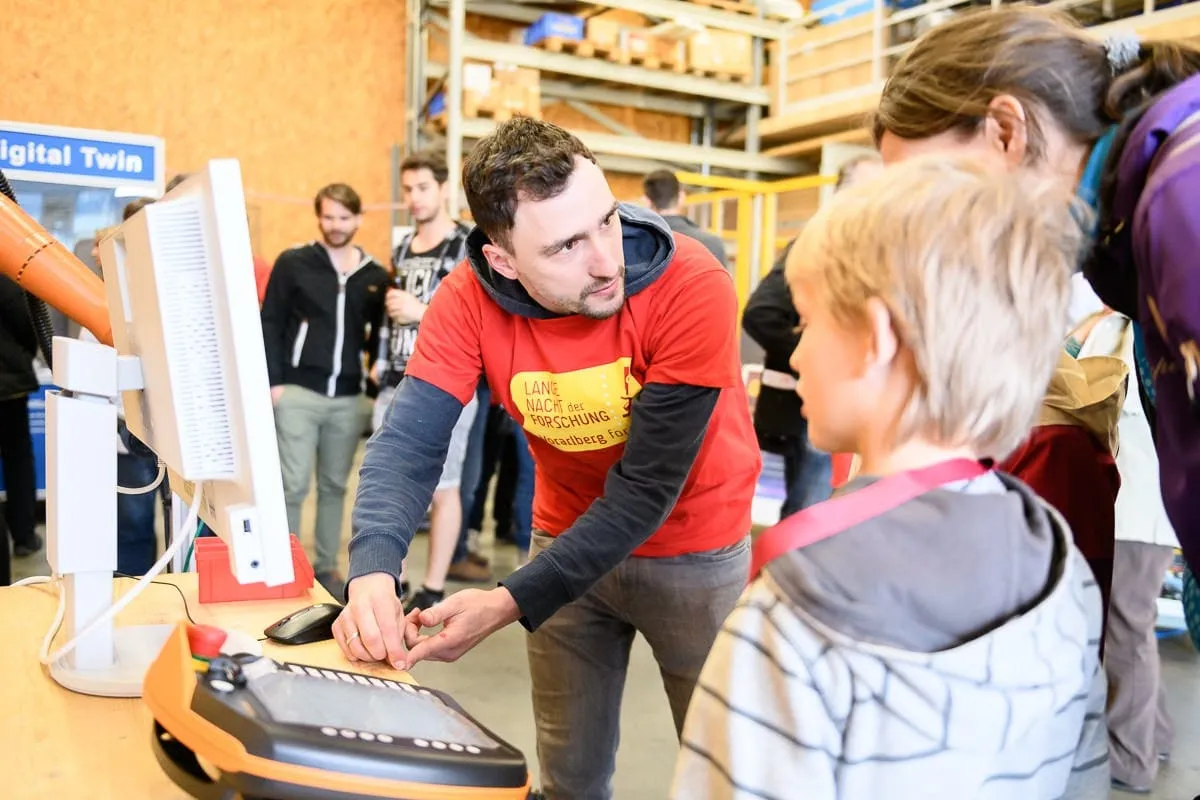
On 20 May 2022, Austria’s biggest science event took place once again. From 5 to 11 pm, children, young people and adults could discover 100 research stations at nine locations in Dornbirn and Lustenau. The Long Night of Research shows what research and science from Vorarlberg can do, and Eberle was there too.
Admission was free, and we showed everything about robotics, digitalisation, automation and technology: a robot cooked, visitors played memory against a robot and made a door swing open with artificial intelligence. Our experts were on site, gave insights into their research and answered questions. Making research and science tangible and visible is what we care about.
Demonstrations and hands-on stations invited visitors to explore. Travel by bus and train from anywhere in Vorarlberg was free of charge, and our location could be reached by shuttle bus. The programme folder with descriptions of our stations was available after Easter and could also be ordered directly from wisto@wisto.at.
More about the event: langenachtderforschung.at. Photo: Eva Sutter
Our stations
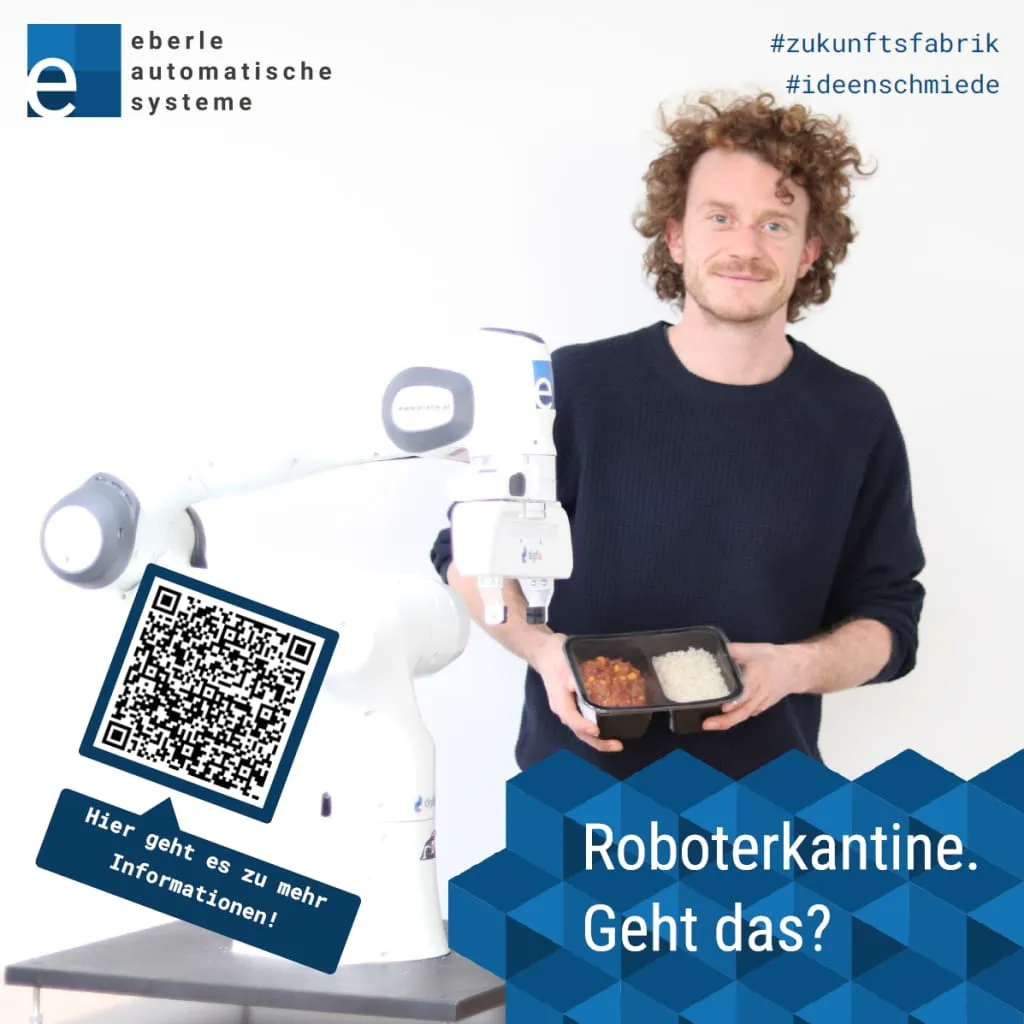
A robot in the kitchen, is that fun?
A robot in the kitchen is fun to watch, and it is also fun to develop and program such a robot. What if a robot opened the fridge, heated up your food and even served it? That sounds like a fun lunch and less kitchen work. But can it be done? We show you at the Long Night of Research. Come by and see for yourself!
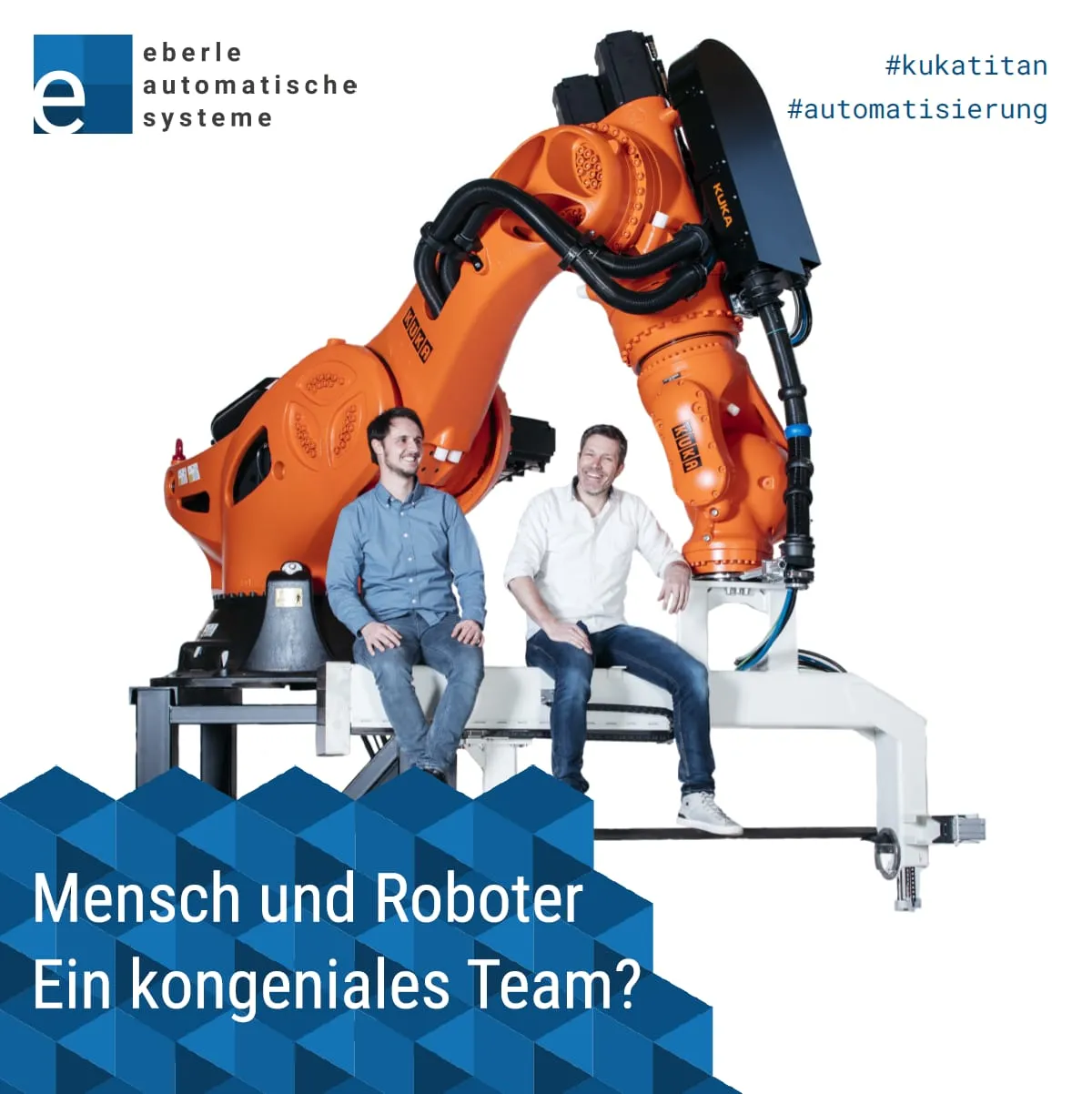
How do humans and robots become the perfect team?
A collaborative robot works hand in hand with humans, without guards. Such robots can take over tasks for us or with us. Should they do the same work as we do? And do humans and robots become the perfect team? At our station you can play with one of our robots and find out.
Can machines see like humans?
To find our way around, we rely on spatial vision: only then do we perceive distances and sizes correctly. How does spatial vision work, and can machines do it too? We show how machines equipped with cameras detect objects in space.
Can digital twins revolutionise machine engineering?
Twins do not only exist among humans: today, digital twins can also be created of large machines. They take up no space, make no noise and can be copied as often as you like, which is impossible with real machines. Does this change how machines are developed? Come by and discover the answer for yourself!
Is artificial intelligence a door opener?
For us to think abstractly and draw conclusions, around 85 billion nerve cells in our brain are at work around the clock, an incredibly complex structure. Imitating that artificially is not easy. We show how artificial intelligence learns to recognise faces and thereby opens doors automatically.
Do things have a fingerprint too?
A fingerprint makes every person unique. No one in the world has the same one. Goods on a supermarket shelf, on the other hand, seem indistinguishable from one another. Or are they?